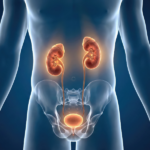



Prostate problems are common, especially from your 40s onwards. Many men notice subtle changes first-waking at night to pass urine, a weaker flow, or needing to rush to the toilet. While these symptoms are often caused by benign (non-cancerous) conditions, it’s still worth getting checked because early symptoms can overlap across different prostate conditions.
This guide is written for men aged 40+ in London and surrounding counties (Essex, Kent, Surrey, Hertfordshire, Buckinghamshire). It covers the most common prostate conditions, early warning signs, when to see a prostate specialist in London, key diagnostic tests (including PSA), and modern treatment options available across London clinics.
What is the prostate and why does it affect urination?
The prostate is a small gland located just below the bladder, surrounding the urethra (the tube you urinate through). When the prostate enlarges or becomes inflamed, it can press on the urethra and affect urine flow-this is why urinary symptoms are often the first clue that something needs attention.
Common prostate conditions (and what they mean)
1) Enlarged prostate (BPH)
Benign Prostatic Hyperplasia (BPH) is a non-cancerous enlargement of the prostate and is one of the most common reasons men develop urinary symptoms as they get older. Typical BPH symptoms in the UK include difficulty starting, a weak or stop–start flow, urgency, and waking at night.
2) Prostatitis (prostate inflammation)
Prostatitis is inflammation of the prostate, sometimes due to infection. Symptoms can include pelvic discomfort, urinary frequency/urgency, and pain when passing urine. Treatment often involves antibiotics when an infection is suspected.
3) Prostate cancer
Prostate cancer can develop without obvious symptoms early on. When symptoms occur, they can look similar to BPH (urinary changes). This is why persistent symptoms should be assessed rather than assumed to be “just ageing.”
Early warning signs to look out for
If you notice any of the following-especially if symptoms are new, persistent, or worsening-it’s sensible to book an assessment:
Urinary symptoms (very common):
- Weak urine stream
- Stop–start flow
- Difficulty starting (hesitancy)
- Needing to push or strain
- Dribbling after finishing
- Feeling your bladder isn’t fully empty
Storage symptoms (bladder irritation / LUTS):
- Passing urine more often than usual
- Sudden urgency to urinate
- Waking at night to pass urine (nocturia)
Symptoms that should always be checked:
- Blood in urine (haematuria)
- Recurrent urinary infections
- Inability to pass urine (urgent)
When should you see a prostate specialist in London?
Consider seeing a prostate specialist London (urologist) if:
- Symptoms last more than 2–4 weeks
- Symptoms are affecting sleep, work, or confidence
- Symptoms are worsening over time
- You’ve had blood in urine
- You have recurrent infections
- You have a family history of prostate cancer, or you’re in a higher-risk group
If you can’t pass urine, have fever/shivering with urinary symptoms, or feel very unwell, seek urgent medical help (same day).
Prostate screening in London: PSA testing and what it can (and can’t) tell you
A PSA test is a blood test measuring prostate-specific antigen. PSA can rise for several reasons including BPH and prostatitis-not just cancer. A PSA test alone cannot diagnose prostate cancer; it helps guide whether further assessment is needed.
In the UK, men aged 50+ can request a PSA test even without symptoms, but it’s important to understand benefits and limitations first.
If you’re 40+ with symptoms, or you’re higher risk (e.g., close family history), a urologist can discuss whether PSA testing and further checks are appropriate for you.
Diagnostic tests you may be offered
A typical prostate assessment in London (NHS or private) may include:
- Symptom assessment (often using a questionnaire): Clinicians commonly use symptom scoring for LUTS to understand severity and impact.
- Urine tests: To check infection and blood.
- Blood tests (PSA where appropriate): Interpreted alongside age, symptoms, prostate size, and other factors.
- Ultrasound / bladder scan: To assess bladder emptying and urinary tract.
- Flow rate test: Measures urine flow strength and pattern.
Modern treatment options available in London clinics
Treatment depends on the cause (BPH, prostatitis, cancer), symptom severity, and your preferences. The goal is always safe, evidence-based care-often starting with the simplest effective approach.
BPH / Enlarged prostate treatment London
- Lifestyle and symptom measures: Fluid timing (especially evenings), reviewing caffeine/alcohol intake, and medication review.
- Medications: Many men benefit from medication to relax the prostate/bladder outlet or reduce prostate size over time.
- Minimally invasive / surgical options: If symptoms are significant, procedures may be recommended.
Prostatitis treatment
If bacterial infection is suspected, antibiotics are commonly used and symptoms usually improve, though some cases take longer to settle.
Prostate cancer treatment options
If cancer is suspected or diagnosed, options may include:
- Active surveillance (for suitable low-risk cases)
- Surgery
- Radiotherapy and other systemic treatments
Why proactive checks matter (especially from 40+)
Prostate issues often progress slowly. Early assessment can:
- Improve quality of life (sleep, confidence, daily comfort)
- Prevent complications (e.g., retention, infections)
- Provide reassurance when symptoms are benign
- Support earlier detection where that matters
If you’re based in London, Essex, Kent, Surrey, Hertfordshire, or Buckinghamshire, it’s worth booking a review if symptoms are affecting you-even mildly.
FAQs (patient-friendly)
Both routes can provide safe assessment. Many men choose private consultation for speed and convenience, while NHS pathways remain appropriate and guideline-led. The key is getting symptoms assessed.